Regrowing Inner Ear Hair Cells: Insights and Innovations
Intro
The journey of understanding and potentially regrowing inner ear hair cells has emerged as a focal point in the fields of audiology and regenerative medicine. These delicate cellular structures play a pivotal role in our auditory system, allowing individuals to perceive sounds and communicate effectively. When damaged, these cells can lead to profound hearing loss, a condition that affects millions around the world. The exploration of methods to restore these crucial cells represents not only a scientific quest but also a beacon of hope for those impacted by auditory impairments.
As we navigate through current research, methodologies, and technological advancements, this article unfolds the complexities and breakthroughs associated with hair cell regeneration. By delving into biological mechanisms, recent findings, and future directions, we aim to provide a thorough understanding tailored to the interests of students, researchers, educators, and professionals alike. Expect to uncover biological insights, current challenges, and innovative technologies that may shape the future of hearing restoration.
Recent Advances
Latest Discoveries
Recent scientific explorations have illuminated the biological pathways that might enable the regrowth of inner ear hair cells. Studies have identified specific genes and molecular signals crucial for regeneration. For instance, researchers found that certain types of stem cells possess the ability to differentiate into hair cells under the right conditions. This revelation is akin to finding a key that fits a long-sealed door, unlocking new pathways for auditory recovery.
In addition, advancements in gene therapy have become a hot topic, with experimental approaches targeting genes responsible for hair cell development. These efforts not only present potential solutions but also prompt ethical discussions on gene manipulation. The variability of responses to these treatments suggests that a one-size-fits-all approach may not be feasible, pushing the boundaries of personalized medicine.
Technological Innovations
Alongside biological discoveries, technological strides play a crucial role in this narrative. Innovations such as CRISPR-Cas9 have been game-changers, permitting precise editing of the genome. This technology can potentially reactivate dormant pathways involved in hair cell regeneration, offering unprecedented prospects.
Moreover, advancements in 3D bioprinting have opened new avenues for creating scaffolds that mimic the inner ear environment, facilitating the growth of hair cells in vitro. As we push the envelope of science, techniques like optogenetics, allow researchers to control cells with light, enhancing our understanding of how hair cells function and respond to stimuli. Such innovations promise to bring therapeutic options from the lab to clinical settings, making previous impossibilities plausible.
"The potential to regenerate hair cells could revolutionize not just hearing restoration but the entire field of regenerative medicine, as we unlock pathways once thought closed off to medical science."
Methodology
Research Design
The exploration into regrowing inner ear hair cells employs a range of research designs, from animal studies to advanced clinical trials. Animal models, particularly zebrafish and mice, are invaluable. They allow scientists to observe regeneration processes that are challenging to study in humans. Longitudinal studies facilitate tracking of changes over time, providing insights into the effectiveness of various interventions.
Data Collection Techniques
In terms of data collection, a combination of qualitative and quantitative approaches is being utilized. Histological analyses are crucial for examining cellular structures, while molecular techniques such as RT-PCR help assess gene expression levels associated with cell regeneration. Furthermore, patient-reported outcomes are being included in studies to correlate biological data with real-world impacts on hearing recovery.
As we stand on the precipice of what might be possible, it's essential to maintain a holistic view of the challenges and ethical considerations tied to these advances. Each discovery brings us closer, but the path remains fraught with complexities that merit robust dialogue and thoughtful exploration.
Prologue to Auditory Function
Understanding how we hear is like unlocking a key part of human experience. Auditory function isn’t just about perceiving sounds; it profoundly influences communication, social interactions, and learning. When we consider the role of inner ear hair cells, the foundation of our auditory system, the need to delve into this area becomes obvious. As these tiny cells face damage from various factors—be it genetics, environmental stressors, or aging—the stakes are high for restoring hearing through innovative research. This section lays the groundwork by exploring how our auditory system operates and highlighting the critical role of hair cells.
Overview of the Auditory System
The auditory system comprises the ear and several pathways that allow us to process sound, transforming vibrations in the air into electrical signals our brains can interpret. The system can be broken down into three primary sections: the outer ear, middle ear, and inner ear. Each component plays a distinct role:
- Outer Ear: This part collects sound waves and funnels them into the ear canal. It’s like a speaker that captures sound before sending it down the line.
- Middle Ear: Here, sound waves hit the tympanic membrane (or eardrum), causing it to vibrate. These vibrations pass through three small bones—hammer, anvil, and stirrup—which amplify the sound before it reaches the inner ear.
- Inner Ear: This is where the action happens. The cochlea, filled with fluid, is lined with hair cells. When sound vibrations reach the cochlea, they create waves in the fluid that cause the hair cells to move. This motion generates electrical signals that travel to the brain via the auditory nerve.
Understanding each aspect helps highlight why maintaining the health of hair cells is essential for proper auditory function. Without them, the body cannot effectively convert sounds into signals, leading to hearing difficulties or loss.
Role of Hair Cells in Hearing
Hair cells, situated in the cochlea, are the unsung heroes of hearing. They act like tiny sensors, responding to fluid movements caused by sound waves. The movement of these fine, hair-like structures leads to the conversion of mechanical energy into neural signals. This process can be broken down into simple steps:
- Stimulus Response: Sound waves initiate a reaction in hair cells, causing them to sway back and forth.
- Signal Transduction: As these hair cells move, ion channels open, allowing ions to flow and create electrical impulses.
- Transmission to the Brain: These electrical signals travel through the auditory nerve to the brain, where they are interpreted as sounds.
Without these specialized cells, sounds would simply go unnoticed, robbing individuals of their ability to engage in the world around them. The stark reality is that once hair cells are damaged, they do not regenerate naturally in humans. This fact underpins the urgency of research focused on hair cell regeneration.
In summary, this introduction sets the stage for understanding the critical nature of auditory function and the centrality of hair cells in that process. As research into regrowing these cells progresses, we inch closer to revolutionary treatments for those affected by hearing loss.
Understanding Inner Ear Hair Cells
Hearing is a remarkably sophisticated process, and at the heart of it lie the delicate inner ear hair cells. Understanding these cells is essential for grasping how restoration techniques can be developed for hearing loss. Hair cells are the sensory receptors that transform sound waves into electrical signals, which the brain interprets as sound. Without their proper functioning, the auditory system cannot operate effectively.
Types of Inner Ear Hair Cells
Hair cells fall into two principal types, each playing a distinct role in hearing, specifically designed for a unique aspect of audio processing.
Outer Hair Cells
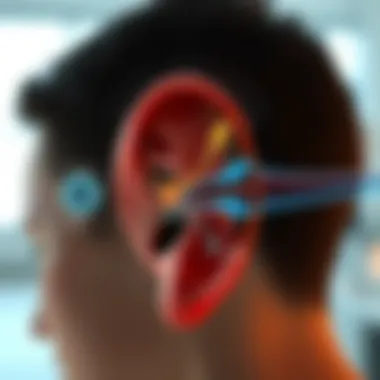
Outer hair cells are characterized by their unique ability to amplify sound vibrations. This amplification role is crucial for improving the sensitivity of our hearing, allowing us to discern even the faintest sounds. The energetic movement of outer hair cells is a significant contributor to the fine-tuning of auditory perception.
Key Characteristics of Outer Hair Cells
These cells are arranged in a specific configuration within the cochlea, and their motility enhances the entire auditory response. It’s like having a volume control knob built right into your ear. What makes their functionality particularly fascinating is their ability to change length in response to sound, thus boosting the signal that sent to the inner hair cells. This unique feature offers clear advantages, especially in environments with background noise.
However, one must also consider the downsides. Damage to outer hair cells—notably from exposure to loud sounds or ototoxic substances—can significantly impair hearing sensitivity and overall auditory function. In essence, they serve as a double-edged sword; while they enhance hearing capability, they also render the auditory system vulnerable to damage.
Inner Hair Cells
Inner hair cells, on the other hand, are the true sensory receptors. They do not amplify sound but are essential for transducing vibrations into electrical impulses. These impulses are then relayed to the auditory nerve and subsequently to the brain for processing.
Key Characteristics of Inner Hair Cells
What sets inner hair cells apart is their direct connection with the auditory nerve fibers, making them vital for transmitting auditory information. Think of them as the messengers that carry the sound information from your ears to your brain. Their unique anatomical arrangement allows them to respond effectively to sound waves, ensuring clarity of auditory input.
While inner hair cells are critical for hearing, they also face significant challenges. Damage to these cells typically leads to irreversible hearing loss, as they exhibit limited regenerative capacity in humans. Unlike outer hair cells, once inner hair cells are harmed, the pathway to recovery is not straightforward, underscoring the importance of research in restoring their function.
Mechanisms of Hair Cell Function
The functioning of hair cells hinges on their intricate biological processes. Outer hair cells employ electromotility—their ability to physically change shape in response to electrical stimulation which enhances sound detection. This feature enables a rapid response to sound stimuli, thereby improving hearing acuity. Their relationship with inner hair cells highlights a finely-tuned system, where any disruption can lead to a cascade of hearing difficulties.
In contrast, inner hair cells rely on their stereocilia to detect sound vibrations. Movement of these tiny hair-like projections causes the opening of ion channels, leading to the generation of neural signals sent to the brain. Their response is not just about detecting sound waves but influencing how we perceive different tones and pitches, ultimately guiding our understanding of complex acoustic environments.
In summary, a thorough understanding of these inner ear hair cells—both outer and inner—is indispensable. It lays the groundwork for exploring strategies aimed at regeneration and restoration of hearing functions lost due to damage or degeneration.
Causes of Hair Cell Loss
Understanding the various causes of hair cell loss empowers both researchers and health professionals in the sphere of auditory health. By identifying the specific elements that contribute to this deterioration, it becomes possible to devise targeted strategies for treatment and regeneration. The importance of this topic cannot be overstated; it lays the groundwork for future research and ultimately guides therapeutic interventions, allowing us to grasp not only the ‘what’ but also the ‘why’ behind the challenges in hearing restoration.
Genetic Factors
Genetic predisposition is a significant contributor to hair cell loss. Certain inherited conditions, such as Usher syndrome or Pendred syndrome, directly influence the integrity and functionality of hair cells. These genetic anomalies can result in progressive hearing deficiency, often starting at a young age. A keen insight into these genetic factors is crucial as it enables personalized medical approaches and paves the way for gene therapies intended to rectify or compensate for these inherited mutations. The relationship between genetics and hair cell sustenance or loss is complex but understanding it could lead to innovative treatment pathways that might not only restore hearing but also improve quality of life.
Environmental Impact
Environmental factors play a large role in the health and survival of inner ear hair cells, with two prominent contributors being noise exposure and chemical toxicity.
Noise Exposure
One prominent aspect of noise exposure is that it can lead to a phenomenon called acoustic trauma. This results from prolonged exposure to loud sounds, damaging both outer and inner hair cells. The key characteristic of noise damage is its cumulative effect; think of it like water dripping on a stone—over time, that consistent pressure leads to destruction. In this discussion, noise exposure is an essential consideration due to its prevalence in daily life. From concerts to construction sites, excess sound levels are ubiquitous. The downside, however, is that while some hair cells can recover from minor insults, severe noise-induced damage can lead to irreversible losses. This serves as a prime example illustrating both the fragility of these cells and the importance of hearing conservation efforts in various industries.
Chemical Toxicity
On the other side of the environmental impact spectrum, chemical toxicity emerges as another major player affecting hair cell viability. Exposure to ototoxic drugs such as aminoglycosides and platinum-based chemotherapeutics can swiftly compromise auditory function. The unique feature of chemical toxicity lies in its often dose-dependent nature; even medications meant to save lives can inadvertently lead to juxtaposed auditory ailments. It complicates matters by inching into the territory where medical benefits conflict with potential hearing loss. Hence, recognizing and mitigating these risks becomes essential, especially in clinical settings. Health professionals need to balance the benefits of crucial pharmacological treatments with the potential auditory repercussions, paving the way for ongoing refining of treatment protocols and the exploration of protective measures.
Age-Related Hearing Loss
As individuals advance in age, it is not unusual for them to experience hearing loss, a fact often neatly labeled as presbycusis. Age-related hearing loss showcases a convergence of factors, from the degeneration of hair cells to changes in the inner ear structures. It reminds us that hearing loss isn’t merely a young person’s concern and highlights the need for preventive strategies throughout life. The declining ability to hear higher frequencies, for example, is one of the first signs, signaling that hair cells in the cochlea are beginning to lose function. Thankfully, this recognition is leading to increased research on ways to preserve auditory function as we age, with a focus on mechanisms that might delay or even reverse the effects of aging on the auditory system.
Through the lens of genetics, environmental impact, and age-related factors, it’s clear that the causes of hair cell loss are multifaceted and nuanced. This complexity suggests that a one-size-fits-all remedy is unlikely to exist. Instead, a comprehensive understanding of these underlying causes will sail us into a future teeming with potential avenues for hearing restoration.
Strategies for Regeneration
The quest for regenerating inner ear hair cells involves various innovative strategies. Each approach brings distinct advantages and challenges that researchers must navigate. Success in this field could dramatically change the landscape of hearing restoration, offering renewed hope to individuals affected by auditory impairments. This section focuses on the leading strategies that scientists are currently exploring to regenerate hair cells effectively.
Stem Cell Therapy
Sources of Stem Cells
Stem cell therapy stands out as a promising avenue for hair cell regeneration. Several types of stem cells can be harvested for this purpose. Embryonic stem cells are perhaps the most well-known. These cells have the innate ability to develop into almost any cell type in the body, which makes them incredibly versatile in regenerative medicine. However, there are significant ethical debates surrounding their use. An alternative, induced pluripotent stem cells (iPSCs), derived from adult cells, sidesteps these ethical issues while maintaining similar capabilities.
The key characteristic of these sources is their pluripotency, giving researchers a flexible tool for generating the desired cell types. Those iPSCs derived from the patient's own cells can lead to fewer complications regarding immune response, which is a great advantage.
However, manipulating these cells into functional hair cells is still a work in progress. Some studies indicate issues with inconsistent maturation, which remain a hurdle that needs tackling for therapy application in patients.
Application in Hair Cell Regeneration
When it comes to applying stem cell therapy effectively, the focus shifts to how these pluripotent cells can be directed to become hair cells. This process involves creating a supportive environment that mimics the natural development of hair cells. Specific growth factors and developmental cues play a pivotal role in directing the differentiation of stem cells into auditory hair cells.
The important aspect here is the ability of stem cells to self-renew and differentiate, making them a beneficial choice for applications aimed at regenerating lost or damaged hair cells. One unique feature to consider is that by using patient-specific iPSCs, researchers may limit the chances of rejection after transplantation.
However, this strategy is not without its downsides. The complexity of the inner ear environment presents numerous challenges for the successful integration of regenerated hair cells. Furthermore, the long-term functionality of these cells within the auditory system remains an area that needs further investigation.
Gene Therapy Techniques
Gene therapy techniques are also being explored as a potential remedy for hair cell loss. By correcting genetic defects that cause hair cell death or enhancing the performance of existing hair cells, gene therapy offers a forward-looking solution. Specific strategies include adding functional copies of genes crucial for hair cell survival or directly editing genes that contribute to hair cell malfunction. The transformative nature of gene therapy could very well underline future breakthroughs in hearing restoration.
Pharmacological Approaches
Potential Drug Candidates
The pharmacological route involves finding suitable drug candidates that can promote hair cell regeneration or protect existing cells from degeneration. Research has highlighted candidates such as otoprotective agents, which help shield cells from damage caused by noise trauma or ototoxic drugs. Finding effective compounds that can be administered safely remains a priority in this domain.
One notable characteristic of potential drug candidates is their accessibility. Many of these drugs can be taken orally or injected with relative ease, increasing their appeal compared to more invasive therapies. However, potential side effects and the specific action times of these drugs warrant thorough study.
Mechanisms of Action
Understanding how these drugs work provides insight into their potential efficacy. Mechanisms may include enhancing cellular repair processes, reducing oxidative stress, or promoting survival signaling pathways within hair cells. The beauty of pharmacological approaches lies in targeting multiple pathways simultaneously, allowing for a more comprehensive treatment.
Nevertheless, translating findings from laboratory settings to effective clinical applications is fraught with challenges. Determining the right dosages, timing, and combinations of drugs for optimal outcomes continues to be an important focus area in ongoing research.
The journey towards effective strategies for hair cell regeneration is teeming with promise, yet it requires meticulous attention to detail and a deep understanding of complex biological systems. Seeking to integrate knowledge from multiple fields is crucial for overcoming hurdles and achieving breakthroughs.
In summary, strategies for regenerating inner ear hair cells encompass a variety of approaches, including stem cell therapy, gene therapy, and pharmacological interventions, each with its own characterisitics and hurdles. The continuous exploration into these methods offers a glimmer of hope in the field of auditory recovery.
Current Research and Advances
The quest for regrowing inner ear hair cells has gained considerable momentum in recent years. Researchers are diving into various aspects of this topic, striving to uncurl the layers of complexity that surround auditory restoration. Advances in regenerative medicine play a pivotal role, creating a promising horizon for individuals grappling with hearing loss. It’s crucial to stay updated on recent findings not just for academic interest but for its implications on patient care and treatment approaches. This gives us a clearer picture of what solutions could look like in the future.
Preclinical Studies
Preclinical studies are essential for testing hypotheses and refining experimental protocols before human trials. There’s a visible pattern in how these studies provide a foundation for understanding hair cell regeneration. They often make use of model organisms, like mice or zebrafish, which have a natural ability to regenerate inner ear hair cells. This biological quirk makes them an ideal groundwork for observing responses to various therapies.
During these phases, researchers experiment with different variables—like gene expression or pharmacological interventions—aiming to trigger regeneration mechanisms. For instance:
- Gene Therapy: Transforming genes responsible for hair cell growth and survival could potentially alter the regenerative capacity.
- Stem Cells: Identifying how to use stem cells effectively paves the way for novel therapeutic strategies.
However, it’s not without challenges. The translational gap from these model organisms to human applications remains a persistent concern. Even so, the insights gained here often feed directly into the design of future clinical trials, keeping the wheels of innovation turning.
Clinical Trials
As we shift our focus to clinical trials, the stakes rise significantly.
Key Findings
In clinical settings, several trials have shown promising results regarding the manipulation of hair cell pathways. One notable finding underscores the effectiveness of certain drugs, such as those seen in trials using compounds that target specific receptor pathways involved in hair cell survival. This characteristic makes them a strong candidate for further exploration.
- These drugs may increase the viability of the existing hair cells and even promote the production of new ones, acting towards an auditory rehabilitation plan.
A unique feature here is the multifaceted approach taken; combining pharmacological strategies with physical therapy is starting to show synergistic effects. However, clinical outcomes can vary widely based on genetic backgrounds, age, and overall health, which complicates the data interpretation.
Implications for Future Research
The implications derived from current clinical trials play a crucial role in shaping future research directions. From identifying effective treatment combinations to understanding patient variability, enhancing individual responses stands as a principal aim for the research community. This trend highlights compelling opportunities:
- Broader Treatment Approaches: The goal here is to create a tailored solution for hair cell regeneration, focusing on personalized medicine.
- Understanding Molecular Mechanisms: What’s particularly engaging about these findings is how they inform scientists about underlying biological processes.
Nevertheless, the exploratory nature of ongoing trials means one must tread carefully. Potential adverse effects or unexpected outcomes can still emerge, reinforcing the need for rigorous monitoring and adaptive trial designs as researchers venture into the uncharted.
In summary, the landscape of current research and advances is rapidly evolving, driven by the desire to restore hearing capabilities through innovative methods. The confidence placed in preclinical studies and their subsequent clinical applications underscore a promising, albeit complex, path towards the future of auditory health.
Challenges in Hair Cell Regeneration
The journey toward restoring auditory function through the regeneration of inner ear hair cells is fraught with obstacles. These challenges stem from both biological complexities and ethical dilemmas, shaping the landscape of current research in this field. Understanding these intricacies is critical, as it not only informs the scientific community but also the broader audience interested in the progress of hearing restoration endeavors.

Scientific Hurdles
Target Identification
Target identification is a cornerstone of effective hair cell regeneration, as it refers to pinpointing the specific cellular and molecular targets that can be manipulated to promote regrowth. The main challenge here lies in the inner ear's complexity; the pathways and genes that govern hair cell function are still being unraveled. The vital characteristic of target identification is its precision—efficient regeneration hinges on knowing exactly where to apply interventions.
However, this process isn't a cakewalk. The diverse cellular environments within the cochlea and the intricate signaling pathways must be understood thoroughly. The biggest draw in focusing on target identification is that, once established, researchers can focus therapies effectively, leading to more successful outcomes. But, on the flip side, failure to identify correct targets can lead to ineffective treatments or unintended consequences. The uniqueness of this approach also lies in its requirement for interdisciplinary research, bringing together genetics, molecular biology, and audiology, making it a beneficial yet complex pathway in this article's context.
Cell Integration
Cell integration refers to how newly regenerated or transplanted hair cells adapt and function within the existing architecture of the inner ear. The successful integration of these cells is paramount for restoring hearing effectively. A key attribute of this process is its requirement for seamless physiological and mechanical integration. If the new cells don't properly connect with existing neuronal pathways or the extracellular matrix, the purpose of regeneration can be defeated.
The challenge here is that the inner ear is a highly specialized environment, and the integration process can often lead to incompatibilities. A significant advantage is that understanding cell integration can open up avenues for new methods to enhance survivability and functionality of these regenerated cells. Yet, the down side rests in the unpredictable nature of this process; not every attempt at integration yields the desired results. In keeping with the theme of this article, exploring cell integration is crucial because it delves into both scientific uncertainties and the quest for effective therapeutic strategies.
Ethical Considerations
Stem Cell Ethics
Stem cell research occupies a central role in regenerative medicine, and its ethical dimensions are as complex as the science itself. The ethical considerations surrounding stem cell ethics primarily revolve around the sources of stem cells, consent of donors, and the implications of manipulating human life. A defining characteristic of stem cell ethics is its balancing act; we must weigh the potential benefits of life-altering therapies against moral concerns surrounding the origin of these cells.
Focusing on this aspect is vital because it illuminates the debates that shape research funding and policy-making. The advantage of wrestling with these ethical questions allows for a more informed and conscientious approach to research, fostering public trust. However, it can also complicate research timelines, as institutions and funding bodies may delay support until ethical approvals are secured.
Clinical Ethics
Expanding on the topic of ethics, clinical ethics addresses the responsibilities and moral implications facing practitioners working on the frontline of hair cell regeneration. This includes the moral obligations clinicians have towards their patients and the ethical distribution of innovative treatments. A key feature of clinical ethics is its focus on informed consent, ensuring that patients understand the risks and benefits of experimental treatments.
This is a relevant choice for our article, as it directly pertains to the translation of laboratory findings into clinical practice. The benefits include promoting patient safety and autonomy, which are paramount in any medical intervention. However, the potential disadvantages arise when clinical trials face scrutiny due to ethical criticisms, which can slow down advancements. The unique angle here lies in intertwining the ethics of research with practical clinical applications, ensuring that the scientific community addresses not just what is possible, but what is right.
"Navigating the science of regeneration requires not just knowledge but a deep sense of ethics that guides our path forward."
In summary, the challenges of hair cell regeneration are intricate, requiring a blend of scientific innovation and ethical mindfulness. By understanding the hurdles posed by target identification, cell integration, and the ethical implications involved, we can forge a clearer path toward the promising future of auditory restoration.
Future Directions in Research
As advancements in auditory science gather pace, the future directions for research into regrowing inner ear hair cells grow increasingly pivotal. This ongoing quest not only seeks to unravel the intricate biological mechanisms involved in hair cell regeneration, but also aims to integrate innovative technologies and interdisciplinary approaches that could significantly enhance auditory restoration strategies. The implications of this work are profound, promising to address hearing loss, which affects millions around the globe.
Innovative Technologies
CRISPR Gene Editing
CRISPR gene editing emerges as a titan among modern biotechnologies, revolutionizing the way researchers approach genetic anomalies related to hair cell loss. This technology allows for precise modifications of DNA, a characteristic that makes it invaluable for targeting specific genes responsible for hair cell functionality. One primary advantage of CRISPR is its efficiency; it can alter genetic sequences with remarkable accuracy, thus opening doors for research into correcting genetic mutations that lead to hearing impairments.
Furthermore, CRISPR can facilitate the regeneration process by promoting the expression of genes that govern hair cell growth, reshaping them into functioning cells. However, there are nuances that warrant caution. One notable concern is the off-target effects it might possess, which can inadvertently lead to unintended genetic alterations. Despite these risks, CRISPR remains a highly sought-after tool in regenerative medicine, especially when it involves delicate structures like the inner ear.
Nanotechnology Applications
In the realm of nanotechnology, the capacity to manipulate materials on an atomic or molecular scale opens exciting pathways for hair cell regeneration. This discipline specializes in designing delivery systems that can precisely target medication to affected areas in the inner ear, minimizing systemic exposure and maximizing therapeutic efficacy. For example, nanoparticles can be engineered to carry growth factors or RNA molecules that stimulate hair cell regrowth directly to the site of injury, ensuring that the right dose reaches the right place.
The key characteristic of nanotechnology is its ability to develop highly specific, targeted therapies. This targeted approach not only enhances efficiency but also reduces potential side effects associated with broader systemic treatments. Nevertheless, while the potential is glaring, challenges remain in the form of regulatory hurdles and the need for comprehensive toxicity studies. As researchers delve deeper into these technologies, the potential to fine-tune and personalize treatment protocols becomes an enticing prospect for the future of hearing restoration.
Interdisciplinary Approaches
Lastly, the push towards interdisciplinary approaches in this arena underscores the growing recognition that complex biological problems require multifaceted solutions. Scientists studying hair cell regeneration will increasingly collaborate across disciplines such as molecular biology, bioengineering, and audiology. By intertwining knowledge from these different fields, researchers can foster a more holistic understanding of auditory function and rejuvenation strategies.
This collaboration can also facilitate the optimization of existing methods. For instance, engineers might create novel scaffolding frameworks that support hair cell regrowth, while biologists refine the understanding of the cellular signaling pathways involved. Thus, through collective expertise, the potential for significant strides in hearing restoration can become a reality.
Interdisciplinary approaches could unlock new realms of possibilities, bridging gaps and amplifying the impact of research.
Through innovative technologies and collaborative efforts, the path forward in regrowing inner ear hair cells is not just promising but generates enthusiastic anticipation for tackling one of healthcare’s most pressing concerns: hearing loss.
Closure
The quest to understand and potentially regenerate inner ear hair cells marks a pivotal step in the field of audiology. This pursuit is not merely academic; rather, it embodies the hopes of millions affected by hearing loss. Inner ear hair cells play a crucial role in transforming sound vibrations into neural signals. Their loss due to factors such as aging, noise exposure, or genetic predisposition can result in profound implications for auditory function and quality of life. Consequently, the various strategies for regeneration that we've discussed—from stem cell therapy and gene editing to pharmaceutical interventions—are of immense significance.
One key takeaway from this article is the awareness of the various approaches currently in play to facilitate this regeneration. Innovations in stem cell research, for instance, not only hold the promise of restoring hearing but also reflect a larger trend within regenerative medicine aimed at restoring lost bodily functions. Each strategy comes with its own set of challenges and considerations, underscoring the complexity involved in such biological interactions which need thorough exploration. Moreover, the ethical considerations surrounding these technologies cannot be ignored, as they bring forth questions about the implications of manipulating human biology and the responsibilities that come with such advancements.
A thorough understanding of these elements doesn't just spotlight the technicalities of hair cell regeneration but encourages a broader conversation about the significance of hearing as a vital element of human experience. As the research progresses, this area will continue to evolve and provide fresh insights, emphasizing the need for continued investment and exploration in regenerative opportunities.
"A journey of a thousand miles begins with a single step." – Lao Tzu
To that end, ongoing research remains at the heart of potential breakthroughs. The fusion of interdisciplinary approaches, whether through collaborations between biologists, audiologists, and engineers or leveraging cutting-edge technologies such as CRISPR, positions this field for unprecedented developments. The significance of this body of work goes beyond scientific curiosity; it directly correlates to the restoration of auditory capabilities, which can significantly enhance individual lives.
The synergy between innovation and ethical research practices will play a crucial role going forward. With concerted efforts from researchers and professionals, the dream of regrowing inner ear hair cells is not just an aspiration but a goal within reach.