
Exploring the Science and Health Benefits of Beet Juice
Intro
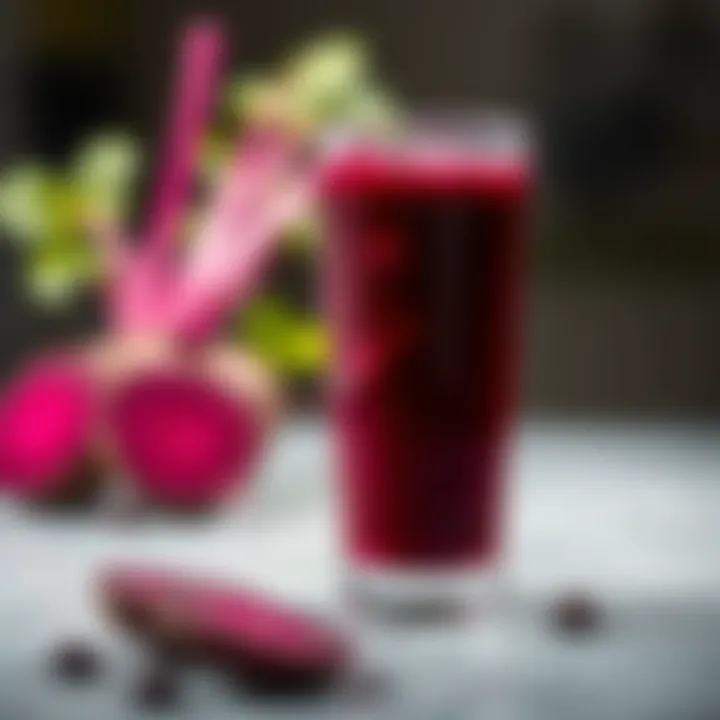
Human beet juice, often touted as a natural elixir, has carved out a niche in the world of health and wellness. This vibrant beverage, with its electric hue, is more than just a colorful drink; it boasts a rich tapestry of biochemical components that hold potential benefits for our bodies. From enhancing vascular health to boosting athletic performance, beet juice has garnered attention not just from health enthusiasts but from researchers looking to unpack its multifaceted contributions to well-being. The significance of understanding beet juice lies not only in its nutritional value but also in its role in contemporary health strategies. With a plethora of studies emerging, the exploration into the realm of beet juice is timely and necessary.
Recent Advances
Latest Discoveries
The past few years have seen remarkable progress in the study of beet juice, with researchers uncovering its potential beyond mere hydration. Studies reveal that beet juice is high in nitrates, which the body converts into nitric oxide. This compound plays a crucial role in vascular health by contributing to vasodilation— the widening of blood vessels. Enhanced blood flow means more oxygen reaches the muscles, making beet juice particularly appealing to athletes and fitness enthusiasts.
A recent study published in the Journal of Nutrition indicated that individuals consuming beet juice showed a significant reduction in systolic blood pressure compared to those who did not. This could suggest not only a boon for heart health but also implications for cognitive function as blood flow improves to the brain.
Technological Innovations
Cutting-edge technologies are aiding the understanding of beet juice’s effects on health. Advanced spectrometry, for instance, allows scientists to analyze the metabolites present in beet juice with greater precision. Such technology uncovers vital details regarding how different compounds interact within the body, leading to insights on optimal consumption practices.
Moreover, the rise of fermentation and bioextraction techniques is demonstrating how to enhance the bioavailability of beet juice nutrients. These innovations suggest that there might be even more to uncover about the health benefits of this root vegetable and how to harness them effectively.
Methodology
Research Design
Most research into beet juice employs both clinical trials and observational studies. In controlled settings, participants consume beet juice over specific time frames to evaluate its effects on various health markers such as blood pressure, athletic performance, or cognitive functions. Researchers often employ a double-blind methodology, ensuring participants and researchers are unaware of who is receiving beet juice versus a placebo.
Data Collection Techniques
Surveys and questionnaires are commonly utilized for gathering subjective responses from participants, while objective measurements typically involve blood tests or performance assessments. For example, blood nitrate levels are often assessed to correlate with participant reports of enhanced energy and improved workout performance.
This methodological framework allows for a clearer understanding of the potential benefits and efficacy of beet juice, paving the way for more informed health decisions.
Understanding the intricate properties of human beet juice is essential for maximizing its benefits in everyday health regimens.
In summary, as research continues and methodologies evolve, the landscape of human beet juice will undoubtedly expand, shedding light on its full spectrum of health benefits and practical applications for both individuals and the scientific community.
Prelims to Beet Juice
Beet juice has garnered attention in recent years as a functional beverage that offers a myriad of health benefits. Packed with nutrients and unique compounds, it stands out not only for its vibrant color but also for its potential to enhance well-being. This section sets the stage by exploring the significance of beet juice within the context of modern nutrition and wellness.
Historical Context
Historically, beetroots have been cultivated since ancient times, with their origins tracing back to the Mediterranean region. Ancient Greeks and Romans valued beets for their medicinal properties. They were often used as a remedy for various ailments, ranging from fever to digestive issues. The use of beet juice as a health tonic began to surface in the 19th century, primarily touted for its purported blood-purifying effects. As time passed, researchers started to delve deeper into the phytochemical composition of beets, uncovering their rich tapestry of vitamins, minerals, and bioactive compounds.
Fast-forward to the present day, beet juice has transitioned from a traditional remedy to a modern superfood. It is not just a staple in health-conscious circles but has now found its way into the diets of athletes and fitness enthusiasts alike, who are keen on leveraging its performance-enhancing qualities. The journey of beet juice reveals a fascinating interplay of history, science, and culture that enriches its narrative.
Overview of Human Beet Juice
Human beet juice is the liquid extracted from the bright purple roots of the beet plant, a vegetable belonging to the Chenopodiaceae family. What makes beet juice particularly compelling is its unique amalgamation of nutrients, including vitamin C, potassium, and folate, alongside a diverse set of beneficial phytonutrients. One of the most prominent features of beet juice is its high nitrate content, which has been shown to play a pivotal role in promoting cardiovascular health and enhancing exercise performance.
Unlike many other juices, beet juice is not overly sweet, offering more of an earthy and robust flavor profile. This distinctive taste, combined with its deep hue, makes it a versatile ingredient in various culinary applications, from smoothies to salad dressings.
Engaging with beet juice in the context of nutrition and health opens a plethora of discussions regarding its biochemical benefits and practical applications. It elicits curiosity not only among those interested in nutrition but also within a broader audience keen on understanding how such natural products can contribute to better health outcomes.
In this article, we will explore the scientific intricacies of beet juice, its health benefits, and the mechanisms at play that make it a topic worth discussing. As we peel back the layers of this root vegetable, you'll find that it’s not just a pretty color but a powerhouse of nutrition and health that holds great promise.
Biochemical Composition


Understanding the biochemical composition of human beet juice is critical as it serves as a foundation for its numerous health benefits. Beet juice is not merely a vibrant addition to our diets; it is a complex mixture of nutrients, compounds, and phytonutrients, each contributing to its efficacy in promoting health. Comprehending this intricate composition allows one to appreciate how beet juice acts within the body, influencing numerous systems and functions.
Key Nutrients
Beet juice boasts a variety of key nutrients that support its health-enhancing properties. Notably, it contains essential vitamins and minerals that are indispensable for our well-being.
- Vitamin C: This vitamin is crucial for maintaining a healthy immune system and promotes skin health. It also acts as a potent antioxidant, helping to combat oxidative stress in cells.
- Folate (Vitamin B9): Folate plays an essential role in DNA synthesis and repair, and it is particularly important for pregnant women to support fetal development. It may also contribute to cardiovascular health by regulating homocysteine levels in the blood.
- Potassium: This mineral is vital for several bodily functions, such as regulating blood pressure and maintaining proper muscle and nerve function.
- Magnesium: Often overlooked, magnesium is essential for energy production and plays a role in over 300 enzymatic reactions in the body.
These nutrients, together, create a nutrient-dense profile that reaffirms the health benefits associated with consuming beet juice. The combination of vitamins and minerals not only nourishes the body but can also support various physiological processes, ranging from improved digestion to enhanced energy levels.
Phytonutrients: A Closer Look
In addition to its vitamins and minerals, beet juice is rich in phytonutrients—compounds that provide protection against diseases and promote overall health. One of the most studied phytonutrients in beet juice is betalain, which gives the juice its characteristic deep red color.
- Betacyanins: These are a class of betalains that act as powerful antioxidants. They have been linked to various health benefits, including reducing the risk of chronic diseases through their anti-inflammatory properties.
- Nitric Oxide Precursors: The nitrates in beet juice convert to nitric oxide in the body, which plays a crucial role in improving blood flow and lowering blood pressure. This mechanism is especially favorable for athletes seeking to enhance performance and recovery.
It is essential to recognize that the body’s ability to utilize these phytonutrients can be influenced by factors such as gut microbiome health and diet.
The unique blend of phytonutrients in beet juice highlights the importance of including this beverage in a balanced diet. Whether you’re looking to improve athletic performance, support cardiovascular health, or simply enhance your overall wellness, the biochemical composition of beet juice provides a compelling argument for its incorporation into daily nutrition.
In summary, the biochemical composition of human beet juice, filled with key nutrients and potent phytonutrients, underlines its role as a functional beverage. Gaining insight into its components can transform the way one perceives nutrition and health. For detailed discussions on health nutrients, you might want to explore resources from the National Institutes of Health or World Health Organization.
Health Benefits of Beet Juice
The notion of consuming beet juice often conjures images of hearty salads and vibrant smoothies, but its true potential stretches far beyond mere culinary appeal. In this section, we will uncover the myriad ways beet juice can benefit health, painting a clearer picture of its role in our diets.
Cardiovascular Health
Beet juice has gained attention for its positive effects on cardiovascular health, which is vital in today's world where heart diseases are rampant. Regular consumption of beet juice contributes to lowering blood pressure, primarily due to its high nitrate content. When ingested, nitrates convert into nitric oxide, a compound that aids in vasodilation, or the widening of blood vessels. This property may lead to improved blood flow and reduced strain on the heart.
Studies have shown that individuals who consume beet juice regularly can experience significant reductions in systolic blood pressure. Such findings underscore the beverage’s potential as a natural supplement for heart health. However, it's essential to approach this remedy judiciously, as not all beet juices are created equal. Opting for 100% pure beet juice, free from added sugars and preservatives, maximizes these benefits.
Cognitive Function
The positive effects of beet juice extend to cognitive function, invoking intrigue among researchers. The presence of nitrates is again the hero of the story, as they promote increased blood flow to the brain. Enhanced circulation can lead to improved neuroplasticity, or the brain's ability to adapt and change. Some studies suggest that regular intake of beet juice may even help stave off cognitive decline and improve memory in older adults.
In fact, one research effort noted notable improvement in performance on cognitive tasks after subjects consumed beet juice. As the world ages, this aspect of beet juice could emerge as a beacon of hope for maintaining mental acuity.
Exercise Performance
For athletes and fitness enthusiasts, beet juice may act as a compelling addition to their regimen. Research indicates that the nitrates in beet juice can enhance exercise performance by improving oxygen utilization during physical activity. This effect can lead to increased stamina, allowing individuals to push their limits just a tad further.
Several studies have illustrated that drinking beet juice before workouts can boost endurance, enhancing performance in endurance events like cycling or running. It can cut down on exhaustive fatigue and give users that extra edge. Some athletes have even incorporated beet juice into their pre-competition strategies. But it’s not just elite athletes who stand to gain; casual exercisers might find similar benefits, prompting a rethink of hydration and sport drinks.
Antioxidant Effects
Lastly, beet juice is brimming with antioxidants, which play a pivotal role in protecting our bodies from oxidative stress. The vibrant red color of beets is indicative of phytonutrients like betalains, known for their anti-inflammatory and detoxifying properties. These compounds can neutralize free radicals, thereby reducing the risk of chronic illnesses and supporting overall health.
Moreover, the presence of Vitamin C and other phytochemicals in beet juice complements the antioxidant landscape, making it a formidable player in a preventative health strategy. Individuals aiming to bolster their immune health or simply incorporate more antioxidants into their diets are wise to consider beet juice as a flavorful ally.
In sum, the health benefits of beet juice are multifaceted, spanning cardiovascular improvements, cognitive assistance, athletic performance, and antioxidant protection. Knowing the science behind these claims can help individuals make informed decisions about incorporating this functional beverage into their diets.
Mechanisms of Action
Understanding the mechanisms of action behind human beet juice is crucial for grasping how it exerts its many benefits on health. These mechanisms not only elucidate the biochemical dynamics at play but also highlight the potential applications for various health issues. Here, we delve into two primary aspects: the role of nitrates converting to nitric oxide, and how beet juice interacts with our gut microbiome.
Nitrate and Nitric Oxide


Human beet juice is rich in dietary nitrates, which the body can convert into nitric oxide (NO). This conversion is an essential reaction that leads to various beneficial effects. Nitric oxide plays a vital role in vasodilation, a process where blood vessels widen, improving blood flow and reducing blood pressure. When you consume beet juice, the nitrates are transformed into nitric oxide via a series of enzymatic reactions in the body, notably aided by oral bacteria that process the nitrates in the mouth.
Moreover, the enhanced blood flow facilitated by nitric oxide is especially beneficial during exercise. Research shows that athletes consuming beet juice experience improved stamina and enhanced performance due to more efficient oxygen delivery to the muscles. A notable study published in the Journal of Applied Physiology highlighted that participants drinking beet juice could exercise longer before fatigue set in, thanks to this increased efficiency.
"Beet juice doesn't just flavor your salads; it might just give you that extra edge in your next marathon."
Gut Microbiome Interaction
The interaction between beet juice and the gut microbiome is another fascinating area that deserves attention. Our gut houses trillions of microorganisms that play a significant role in our health. When beet juice is consumed, it doesn't just act passively; instead, it actively influences the composition and activity of gut bacteria.
Studies suggest that the nitrates found in beet juice can stimulate beneficial microbial populations in the gut. These bacteria can further convert dietary nitrates to nitric oxide and other beneficial compounds, enhancing the health benefits of beet juice. Regular consumption of beet juice has been linked to improved gut health by fostering a microbiome that is diverse and resilient.
However, while beet juice is largely beneficial, it is important to consider individual variability in gut microbiome composition. Not everyone's gut may respond the same way to beet juice, and the interplay is complex, influenced by diet, genetics, and overall health. Thus, while many may thrive with beet juice in their daily regimen, it may not be universally beneficial for everyone.
In summary, the science behind human beet juice reveals mechanisms that not only enhance physical performance but also support gut health. These insights guide future research and dietary recommendations, underscoring the growing recognition of beet juice as a health-promoting beverage.
Potential Risks and Considerations
As with any dietary supplement, it is essential to understand the potential risks and considerations when incorporating beet juice into one’s lifestyle. While beet juice offers numerous health benefits, it can also pose some challenges for certain individuals. For instance, oxalate content and interactions with medications can create problems that should not be overlooked.
Oxalate Content and Kidney Health
Beet juice, while packed with beneficial nutrients, contains high levels of oxalates. Oxalates are naturally occurring compounds found in various plants, and while they can contribute to a healthy diet, in excessive amounts they are notorious for forming kidney stones in susceptible individuals. People who have a history of kidney stones or are prone to their formation should be cautious when consuming beet juice.
The high oxalate levels in beet juice may lead to the crystallization of calcium oxalate in the kidneys, which could evoke pain and other associated complications. It can turn into quite the headache if not monitored. So, for those who are already walking on eggshells regarding their kidney health, moderation is key.
Here are a few considerations regarding oxalate consumption:
- Hydration: Staying well-hydrated can help dilute oxalates in the urine.
- Diet Balance: Pairing beet juice with calcium-rich foods may help prevent oxalate absorption.
- Consult Health Professionals: Individuals with kidney issues need to consult healthcare providers before making beet juice a regular part of their diets.
Quote: "A little knowledge goes a long way. Never underestimate the food you eat—your body's whispers can often be screams about dietary choices."
Interactions with Medications
The interaction between beet juice and certain medications is another important area to consider. Beet juice is known for its ability to lower blood pressure due to its nitrates, which convert to nitric oxide in the body. While that sounds like a good thing, it can complicate things for those on blood pressure medications. For example, nitrates in beet juice may amplify the effects of antihypertensive drugs, potentially leading to uncomfortably low blood pressure for some individuals.
In addition to blood pressure issues, beet juice contains compounds that may interfere with certain medications, namely those affecting mood or hormone levels. People taking anticoagulants should also exercise caution, as beet juice's potential to influence blood clotting might alter the effectiveness of their medications.
Here’s a brief list of medications that could interact negatively with beet juice:
- Antihypertensives: Could lead to overly low blood pressure.
- Anticoagulants: Might affect blood clotting ability.
- Diuretics: Risk of electrolyte imbalance if combined with beet juice.
Ultimately, those on medications should have discussions with their healthcare professional regarding beet juice consumption and whether it might align with their treatment plans. It’s better to be safe than sorry when it comes to your health.
For further reading on beet juice and its interactions, you can refer to Nutrients and related academic articles.
Culinary Uses of Beet Juice
The significance of incorporating beet juice into culinary practices cannot be understated. As we dive into the various applications, it becomes clear that beet juice is not only versatile but also enhances the nutritional profile of many dishes. With a rich color and unique flavor, beet juice serves to elevate meals in ways that don't just please the palate but also provides beneficial nutrients. From smoothies to dressings, its potential is pretty vast, making it a worthwhile addition to any diet.
Incorporating Beet Juice in Diet
When looking to integrate beet juice into one’s daily meals, there are several straightforward methods to consider. Making small changes can yield significant benefits, both in taste and health. One common approach is to use beet juice as a base for beverages. This can be easily done by blending it with fruits like oranges or apples, allowing the natural sugars to balance out the earthy taste of beets. Moreover, it can be incorporated into soups, where its sweet undertones can complement savory ingredients seamlessly. Practically speaking, replacing stock or water with beet juice in recipes for stews or braises can introduce vibrant colors and additional nutrients, making simple dishes more appealing and dynamic.
In terms of practical considerations, it’s important to remember that beet juice can stain. Therefore, using non-reactive containers and ensuring immediate cleanup can preserve kitchen aesthetics. Incorporating beet juice also provides an avenue to introduce phytonutrients into meals, as these contribute to an overall balanced diet, proving that adding such a colorful element can have both aesthetic and health benefits.
Recipes Featuring Beet Juice


Smoothies and Juices
Smoothies and juices stand out as one of the most popular ways to enjoy beet juice. The dynamism in flavor that beet juice contributes makes it an excellent choice for health enthusiasts. Usually, the smooth texture and vibrant hue of smoothies can be quite inviting, especially when blended with ingredients like bananas or kale. A unique feature of smoothies that include beet juice is the combination of quick energy release from the natural sugars in fruits along with deeper nutritional benefits from the beets themselves. This contributes not only to physical health but also to a sense of well-being due to the sweet and satisfying flavor profile. On the downside, some may find the earthiness of beet juice slightly overpowering if not balanced properly, but with careful pairing, these smoothies can be exceptionally beneficial.
"The fluidity of options available with beet juice in smoothies can easily cater to various tastes and preferences, making it adaptable for many dietary needs."
Salad Dressings
Salad dressings featuring beet juice offer an unexpected twist to salads, adding not just flavor but also a rich color that is visually appealing. Combining beet juice with ingredients like apple cider vinegar and olive oil creates a vinaigrette that is tangy and sweet. This balance enhances the overall taste of the salad while introducing the health benefits of beets. The high vitamin C content in the dressing strengthens the immune system, which can be an added motivation to reach for those greens. A notable consideration is that the dressing can be quite rich in flavor, so testing the proportions is key to achieving the perfect balance. It also gives an opportunity to explain the health benefits to friends and family, enhancing meal-time conversations.
Baking with Beet Juice
Using beet juice in baking is where creativity can truly shine. The natural pigments of beet juice not only impart a stunning color to baked goods, such as cakes and muffins but also introduce moisture and an interesting depth of flavor. Recipes that utilize beet juice in this manner transform traditional baked items into something both visually striking and health-oriented. However, it’s crucial to keep in mind that beet juice can alter the overall texture, so modifications to liquid ratios may be necessary. For instance, when making a beet cake, one might reduce the added oil or butter to maintain the desired consistency. The result can be a surprisingly delightful dessert that combines a healthful boost with an unexpected taste adventure, which is particularly appealing for those who are more health-conscious.
Current Research and Trends
The landscape surrounding beet juice continues to evolve, and staying informed about current research and emerging trends is crucial for anyone interested in health and nutrition. The issues being explored go beyond simply studying beet juice's physiological impacts—they encompass broader discussions about dietary habits, wellness practices, and the future of functional beverages. This section aims to outline significant findings in recent studies and trends shaping the way we approach beet juice as a health product.
Emerging Studies on Beet Juice
Recently, several studies have surfaced, each contributing unique insights into the benefits of beet juice. For instance, research published in the American Journal of Clinical Nutrition highlighted beet juice's potential to lower blood pressure. The nitrate content in beets converts to nitric oxide in the body, which is known to relax blood vessels, thus improving circulation.
Moreover, a study conducted by the University of Exeter examined beet juice's effects on athletic performance. Participants who consumed beet juice before endurance events demonstrated increased stamina, largely attributed to enhanced oxygen delivery to muscles. These studies underscore how beet juice transcends its role from mere beverage to a significant player in athletic nutrition.
"Emerging research indicates that beet juice doesn’t just quench thirst; it could also boost your cardiovascular health and enhance your exercise performance."
With the rise of interest in gut health, scientists have started exploring how beet juice’s fiber content and phytonutrients support a healthy microbiome. Research suggests that the antioxidants in beet juice not only promote vascular health but may also influence metabolic processes, making beet juice a popular topic in nutritional science forums.
Trends in Functional Beverages
Functional beverages are all the rage lately, and beet juice is no exception. Consumers are increasingly opting for drinks that promise health benefits beyond hydration. The demand for nutrient-rich drinks has fueled innovations in the beverage industry, creating a market where beet juice stands out prominently.
Some notable trends include:
- Cold-Pressed Beet Juice: This method preserves more nutrients and offers a fresher flavor.
- Beet Juice Blends: Many brands are combining beet juice with other superfoods like kale, ginger, and turmeric to enhance health benefits and appeal to a wider audience.
- Sustainability Focus: With environmental concerns at an all-time high, many consumers prefer brands that source beets sustainably, leading to a rise in organic beet juice options.
As a result, beet juice is being marketed not just as a drink but as an integral part of a health-conscious lifestyle. It resonates particularly well with younger consumers who are savvy about nutrition and eager to incorporate functional foods into their diets. Brands are leveraging this trend by touting beet juice's various health claims, often backed by research to build trust and excitement among potential drinkers.
You can explore more about beet juice research at PubMed or learn about the benefits and trends from WebMD and Harvard Health.
Finale
In the world of health and nutrition, the significance of beet juice cannot be overstated. It encapsulates a unique blend of biochemical properties, essential nutrients, and health benefits that stand out in the realm of functional beverages. This article has journeyed through the multifaceted aspects of human beet juice, shedding light on its historical context, nutritional composition, and various health advantages.
Summary of Findings
At the core of our examination is the understanding that beet juice offers a plethora of potential health benefits. These can be summarized as follows:
- Cardiovascular Support: The nitrates present in beet juice convert to nitric oxide, helping to dilate blood vessels, thus improving overall circulation.
- Cognition Enhancement: By improving blood flow to the brain, beet juice may support better cognitive function, essential in both young and aging populations.
- Physical Performance Boost: Many athletes turn to beet juice as a natural ergogenic aid, enhancing stamina and reducing the feeling of fatigue during physical activities.
- Rich Source of Antioxidants: The phytochemicals in beet juice contribute to its antioxidant effects, potentially protecting the body from oxidative stress.
Moreover, issues like oxalate content and interactions with certain medications warrant consideration, ensuring that while beet juice can be beneficial, it should be consumed mindfully.
Future Research Directions
Looking forward, the exploration of beet juice reveals numerous avenues for further scientific inquiry. Possible directions for future research include:
- Long-term Studies: Investigating the long-term effects of regular beet juice consumption on chronic conditions, particularly cardiovascular diseases and cognitive decline.
- Synergistic Effects: Exploring how beet juice interacts with other foods and supplements, especially in relation to functional beverages on the market.
- Variabilities in Gut Microbiome: Further studies could delve into how individual gut microbiomes affect the efficacy of beet juice, recognizing that reactions can vary widely among populations.
- Innovative Usage: Experimenting with incorporating beet juice into various forms of food products to enhance nutrient intake effectively.
The ongoing study of beet juice exemplifies just how vital it is to pursue knowledge about alternative and complementary health sources. Through continuous research and a deeper understanding of its mechanisms, the potential for improved health and wellness through beet juice remains bright.
“The exploration of beet juice not only broadens our culinary horizons but also offers new strategies in holistic health management.”
With its unique properties and benefits, human beet juice stands as a testament to the ever-evolving field of nutritional science. As we make room for more studies, the prospects for beet juice will continue to enrich our understanding and application in health practices.